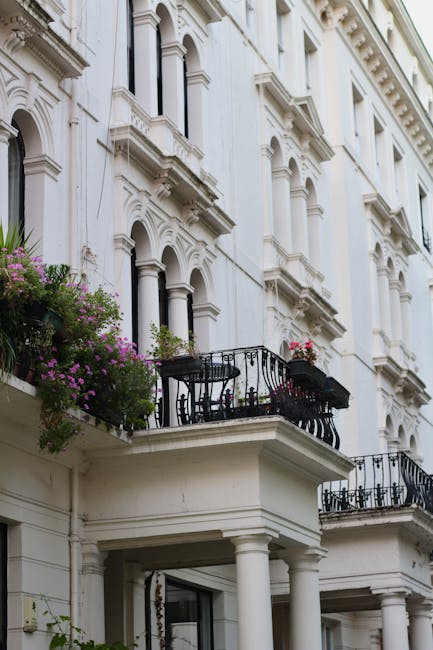
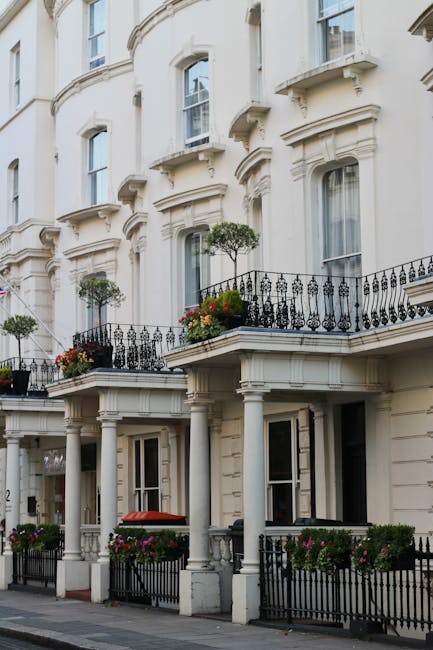
Notting Hill Gate balcony gardeners for Westbourne Grove flats: a practical guide for greener city living
If you live in a Westbourne Grove flat, you already know the balcony can be a little patch of calm above the street. A chair, a mug of tea, a bit of morning light, maybe the sound of buses drifting up from Notting Hill Gate. But turning that compact outdoor space into something healthy, tidy, and genuinely lovely takes more than a few pots and hope. That is where Notting Hill Gate balcony gardeners for Westbourne Grove flats come in.
This guide explains what balcony gardening services usually involve, how they work in real life, what to ask for, and how to avoid the common problems that make balcony planting a chore instead of a pleasure. Whether you want herbs, seasonal flowers, privacy screening, or a low-maintenance green retreat, you will find a clear, local approach here. And yes, we will keep it sensible. No dreamy nonsense that falls over in the first windy afternoon.
Table of Contents
- Why Notting Hill Gate balcony gardeners for Westbourne Grove flats Matters
- How Notting Hill Gate balcony gardeners for Westbourne Grove flats Works
- Key Benefits and Practical Advantages
- Who This Is For and When It Makes Sense
- Step-by-Step Guidance
- Expert Tips for Better Results
- Common Mistakes to Avoid
- Tools, Resources and Recommendations
- Law, Compliance, Standards, or Best Practice
- Options, Methods, or Comparison Table
- Case Study or Real-World Example
- Practical Checklist
- Conclusion
- Frequently Asked Questions
Why Notting Hill Gate balcony gardeners for Westbourne Grove flats Matters
Balcony gardening is not just about making things look pretty, although that helps. In a dense part of London, a balcony often acts as a tiny extension of the flat itself. It can soften hard lines, create privacy, improve the feel of the space, and make a compact home feel more considered. For many residents, the balcony is the only outdoor area they can control. That alone changes the way people use it.
Westbourne Grove flats also tend to come with real-world constraints: limited space, neighbours close by, wind exposure, weight considerations, and sometimes awkward access for maintenance. A balcony gardening service understands those limits and works with them rather than against them. That means choosing plants that suit the light, picking containers that do not overwhelm the structure, and planning for routine care that does not become a weekend burden.
There is another reason it matters. A balcony that is neglected can become cluttered quickly. Dead plants, dried soil, water stains, and overgrown stems all make a small space feel smaller. But with the right setup, even a modest balcony can feel calm, orderly, and lived-in. Not overdone. Just right.
Expert summary: the best balcony gardening work in Westbourne Grove is not about maximum planting. It is about the right planting, in the right containers, with the right level of maintenance for flat living.
How Notting Hill Gate balcony gardeners for Westbourne Grove flats Works
In practical terms, balcony gardening usually starts with a look at the space itself. The gardener will consider sunlight, wind, access, drainage, existing railings or screens, and how much time you want to spend maintaining the plants. That first assessment matters more than people think. A south-facing balcony with strong afternoon sun behaves very differently from a shaded one tucked between taller buildings.
After that, the work is usually tailored around a few core choices:
- Plant selection based on light levels, exposure, and your preferred look.
- Container choice so pots fit the balcony safely and do not look cramped.
- Soil and compost setup to support drainage and healthy growth.
- Watering routine that reflects the realities of urban balconies, where pots dry faster than garden beds.
- Seasonal maintenance such as deadheading, reshaping, feeding, and replacing tired plants.
Some clients want a one-off balcony refresh. Others want a regular maintenance schedule, especially if the flat is a second home or if they are away for work often. Both are valid. In fact, some of the best-looking balconies are not the most elaborate. They are simply looked after properly, and on time, which is not glamorous but does the job.
If you are comparing broader service support, it can help to review a provider's services overview and then check practical details such as pricing and quotes. That keeps expectations clear before any work begins.
Key Benefits and Practical Advantages
The appeal of balcony gardening is obvious enough, but the practical gains are worth spelling out because they are often underestimated.
1. Better use of limited space
A small flat can feel much more spacious when the balcony is organised with intention. Tall plants can create vertical interest, compact herbs can sit near the door for easy access, and narrow planters can define edges without blocking movement. You notice the space more when it feels usable.
2. More privacy without building-like barriers
Privacy screening on a balcony should feel soft and natural, not like a makeshift fence someone slapped together in a hurry. Climbing plants, tall planters, and layered greenery can help reduce direct sightlines while still keeping the balcony open and bright.
3. Lower maintenance when designed properly
Truth be told, many balcony problems come from choosing plants that look beautiful for a week and then demand constant attention. A well-planned setup makes ongoing care easier. That can mean drought-tolerant plants, self-watering containers, or a layout that lets you water everything without awkward stretching and spilling.
4. Better curb appeal for flats
For owners, landlords, and tenants alike, a tidy balcony can change the overall impression of a flat. It signals care. It suggests order. It makes the space feel better looked after, which is no small thing in a building where outdoor areas are highly visible.
5. A more relaxing daily routine
Let's face it, London life can be busy and a bit noisy. Even a small planted balcony gives you a place to step outside, breathe, and reset. You may only be out there for five minutes before work, but those five minutes can matter more than a big day out somewhere fancy.
| Balcony Goal | Best Garden Approach | Why It Works |
|---|---|---|
| Privacy | Layered planters and taller screening plants | Softens sightlines without making the balcony feel boxed in |
| Low maintenance | Hardy containers with drought-tolerant planting | Reduces watering pressure and plant loss |
| Edible planting | Herbs and compact veg in grouped pots | Keeps harvestable plants close and manageable |
| Seasonal colour | Rotating flowering displays | Keeps the balcony looking fresh through the year |
| All-year greenery | Evergreen structure plus seasonal accents | Maintains interest even when blooms fade |
Who This Is For and When It Makes Sense
This service is a good fit for a few different types of residents, and the differences matter.
Flat owners who want a polished outdoor space
If you own a flat near Westbourne Grove and want the balcony to feel like part of the home rather than an afterthought, professional help is usually worth considering. You may already know what you want, but not how to make it survive through summer heat, winter damp, and the occasional gust that arrives with no warning.
Tenants who want easy improvements
For tenants, the key is often portability and practicality. Freestanding planters, modular displays, and simple maintenance schedules are usually better than permanent-looking installations. A good gardener will think about what can be moved or removed easily when a tenancy ends.
Landlords and property managers
A balcony can influence how a flat is perceived during viewings. A neat, well-balanced display can help present the property as cared for. That does not mean over-investing in elaborate planting. It means keeping the space clean, attractive, and sensible.
Busy professionals and frequent travellers
If you are often away, a balcony garden still makes sense, but the design has to be forgiving. Self-watering systems, tougher planting, and seasonal maintenance visits can prevent the all-too-common "it looked lovely for two weeks" problem.
Not every balcony needs a full redesign. Sometimes it is just a case of making one area easier to manage. A small fix. That can be enough.
Step-by-Step Guidance
If you are planning to work with Notting Hill Gate balcony gardeners for Westbourne Grove flats, this is the sensible way to approach it.
- Assess the balcony conditions. Note the direction of light, any wind exposure, and how much floor space you can actually use. A balcony with morning sun needs different planting from one that gets late-day glare.
- Decide what you want from the space. Is the priority privacy, colour, herbs, low maintenance, or all of the above? Choose the main purpose before choosing the plants. Otherwise the design gets muddled.
- Measure carefully. A lot of balconies feel larger until someone tries to fit a table, a chair, three planters, and a watering can in the same spot. Measure widths, rail heights, and door clearance.
- Choose a practical plant palette. Mix structure, filler, and seasonal interest. Structure gives shape, filler adds fullness, and seasonal plants keep things from looking tired.
- Plan the watering method. Decide whether you will water by hand, use self-watering containers, or arrange regular maintenance visits. Pots dry out quickly, especially in warmer months.
- Set the layout for access. You need to reach every plant without climbing over furniture or stepping on irrigation lines. This sounds obvious. It often gets missed.
- Review safety and weight. Heavy ceramic pots can look beautiful, but they may not be the right choice in every balcony setting. Use stable, appropriate containers and avoid overloading the space.
- Schedule ongoing care. Deadheading, feeding, pruning, and seasonal replacement should be planned, not left to chance.
A quiet but important point: good balcony gardens are easy to live with. If the setup makes you dread watering day, it is too complicated. Simple wins more often than people expect.
Expert Tips for Better Results
Here is where the difference between "nice idea" and "actually works for months" starts to show.
Use a layered height plan. Start with lower pots, then add mid-height planting, then one or two taller features if the balcony can handle them. This gives the eye something to follow and stops the layout feeling flat. A balcony with only one plant height often looks unfinished.
Choose containers for stability, not just style. Wind can catch lightweight planters and topple them. Wider bases, proper drainage, and sensible placement matter more than decorative detail. A pot that falls over at 7 a.m. in gusty weather is a bit of a morning killer, really.
Match plant choice to light honestly. People often overestimate how much sun a balcony gets. Nearby buildings can create shade even when the sky looks clear. Observe the balcony at different times of day before choosing anything.
Keep a small reserve of replacement plants. In London, weather can be surprisingly unkind in bursts. Having a couple of spare seasonal plants helps you refresh the display without starting from scratch.
Group plants by water need. This makes care easier. If thirstier plants are grouped with other thirsty plants, you avoid both underwatering and the odd soggy pot that never quite dries out.
Think about how you will actually use the balcony. If you want to sit outside with coffee, do not fill the floor area with awkwardly placed containers. If you want a display-only balcony, fine, but say that up front. The layout changes completely.
A small but useful truth
Sometimes the best balcony garden is the one that leaves enough room for a chair and a pair of slippers. Comfort first, pretty second. Or both, if you can manage it.
Common Mistakes to Avoid
Most balcony gardening problems are predictable. That is good news, because predictable problems are easy to prevent once you know what to look for.
- Using too many large pots. They eat floor space and can make maintenance awkward.
- Choosing plants without checking light levels. This is one of the biggest reasons balcony displays fail early.
- Ignoring wind exposure. Tall, top-heavy planting can look great until the first strong gust.
- Overwatering. Pots that do not drain properly can quickly become waterlogged.
- Underestimating upkeep. Even "low-maintenance" planting needs some attention.
- Mixing clutter with planting. A balcony filled with storage, bikes, boxes, and too many pots often feels cramped rather than calming.
- Forgetting seasonal change. What looks full in spring may look patchy by late summer if nothing is refreshed.
One common slip is trying to make the balcony do everything at once. A little seating, a herb patch, privacy screening, flower colour, storage, and a statement feature. That can work, but only if the design is disciplined. Otherwise it turns into visual noise. And nobody wants that.
Tools, Resources and Recommendations
You do not need a huge kit to keep a balcony garden in shape, but the right basics make a real difference.
Useful tools
- Compact watering can with a narrow spout
- Light pruning snips for deadheading and tidy cuts
- Quality gloves that do not slip when wet
- Moisture-retentive compost suited to container growing
- Stable saucers or trays where appropriate
- Simple plant labels if you are growing herbs or mixed seasonal planting
Practical recommendations
If you are starting from scratch, ask for a design that keeps maintenance manageable. That may include a mix of evergreen structure and seasonal colour, rather than a full rotation of demanding flowering plants. If the balcony gets strong wind, use heavier base pots and avoid delicate stems in exposed positions. If privacy is the goal, think vertically, not just horizontally.
For business transparency and service confidence, it can also help to review a provider's about us page, along with their insurance and safety information and health and safety policy. Those pages tell you a lot about how a company works, even before anyone visits the balcony.
And if you care about how green waste is handled, take a look at the recycling and sustainability approach. It is a small detail, but one that says a lot about day-to-day standards.
Law, Compliance, Standards, or Best Practice
Balcony gardening in flats touches a few practical responsibilities, and it is worth handling them carefully. The exact rules will depend on the building, lease terms, and property management arrangements, so avoid assumptions. In most cases, sensible best practice matters more than flashy planting.
Here are the key areas to think about:
- Weight and loading: balconies are not all designed the same way, so avoid excessive heavy containers unless you have checked suitability for the space.
- Drainage: water should not run off in a way that creates issues for neighbours below or damages finishes.
- Shared building rules: some flats have restrictions on visible railings, hanging planters, or items that alter the external appearance.
- Fire and access considerations: keep escape routes clear and do not block doors or access points with bulky items.
- Maintenance responsibility: agree who waters, prunes, and removes dead plants, especially in managed properties or rental homes.
Professional gardeners should also work in line with basic safety expectations, suitable equipment use, and responsible handling of materials. If you are booking any service, it is reasonable to ask about training, public liability cover, and how the team manages access and waste. That is not being fussy. It is just sensible.
If you want the commercial side to be clear from the outset, the site's terms and conditions and payment and security information are worth reviewing before confirming work.
Options, Methods, or Comparison Table
Different balcony setups suit different households. There is no single best answer, and anyone who says there is probably has not dealt with a windy top-floor flat in Mayfair-adjacent London weather. Here is a straightforward comparison.
| Approach | Best For | Pros | Trade-offs |
|---|---|---|---|
| Container planting only | Simple, flexible setups | Easy to rearrange and maintain | Can look sparse if not layered properly |
| Mixed planting and screening | Privacy-focused balconies | Creates a softer, more enclosed feel | Needs more planning and regular trimming |
| Herb and edible balcony | Cooking enthusiasts | Useful, fragrant, and compact | Edibles often need more regular attention |
| Seasonal display service | People who want visual impact | Fresh look through the year | Requires periodic replacement and upkeep |
| Low-maintenance evergreen setup | Busy residents and landlords | Reliable and tidy year-round | Less dramatic colour changes |
The best choice depends on how you live. A family flat, a pied-a-terre, and a rental investment all need different levels of effort and detail. That part gets overlooked far too often.
Case Study or Real-World Example
A Westbourne Grove resident wanted a balcony that felt calmer and more private without losing light. The space was narrow, slightly exposed to wind, and used mostly for morning coffee and the occasional evening sit-down after work. Nothing elaborate. Just better.
The initial layout had three mismatched pots, a tired fern, and a folding chair that could barely open fully. A practical redesign focused on three things: a stable evergreen backbone, a few seasonal flowering plants for colour, and a taller planter positioned to soften the neighbour-facing side of the balcony.
The result was not dramatic in the showy sense. It was better than that. The balcony became easier to use, easier to water, and more pleasant to look at. The owner could sit outside without feeling exposed, and the space finally matched the rest of the flat. Sometimes the best change is the one you stop noticing because it just works.
That kind of improvement is exactly what many people want from balcony gardeners in this part of London. Not a botanical exhibition. Just a cleaner, smarter, more liveable outdoor corner.
Practical Checklist
Use this checklist before booking or refreshing a balcony garden:
- Check how much direct sun the balcony gets during the day
- Measure usable floor space, not just the full balcony dimensions
- Decide whether privacy, colour, herbs, or low maintenance is the main goal
- Confirm any building or lease restrictions on external changes
- Choose stable containers with proper drainage
- Group plants by similar watering needs
- Make sure all areas remain easy to access for watering and pruning
- Allow space for furniture if you actually plan to use the balcony
- Plan seasonal refreshes rather than waiting for plants to fail
- Review service details, insurance, and payment terms before agreeing to work
Helpful reminder: if a balcony plan looks beautiful but feels awkward to live with, it is probably the wrong plan. The practical option usually wins in the long run.
Conclusion
Notting Hill Gate balcony gardeners for Westbourne Grove flats are about more than plant care. They help turn a constrained outdoor space into something usable, balanced, and genuinely pleasant to spend time in. That might mean privacy screening, seasonal displays, low-maintenance planting, or a simple tidy-up that makes the whole flat feel lighter. The best results come from honest planning: light, wind, space, maintenance, and how you actually live.
If you are thinking about improving a balcony, start with the basics and work outward. Keep it realistic. Keep it tidy. And aim for a setup that gives back more than it asks from you. That is the sweet spot, really.
Get a free quote today and see how much you can save.
If you would like to speak to a local team, you can also use the contact us page to begin the conversation. A good balcony does not need to be grand. It just needs to feel like yours, and that is often enough to make a busy day feel a little softer.
Frequently Asked Questions
What do Notting Hill Gate balcony gardeners for Westbourne Grove flats actually do?
They help design, plant, refresh, and maintain balcony spaces in flats, usually with a focus on container planting, privacy, seasonal colour, and practical upkeep. The work is tailored to the balcony's light, wind, and available space.
Is balcony gardening suitable for small Westbourne Grove flats?
Yes, very often. In fact, small balconies can benefit the most because good planning makes the space feel more usable. The key is to avoid overcrowding and choose plants and containers that fit the space properly.
How often will a balcony garden need maintenance?
It depends on the planting style, exposure, and season. Some balconies need weekly watering in warmer weather, while others only need occasional attention. If you want lower upkeep, choose hardy plants and consider a more structured maintenance plan.
Can balcony gardeners help with privacy screening?
Yes. Many balcony designs include taller planters, layered planting, or evergreen structure to soften sightlines. It is usually better to create natural screening than to rely on heavy or awkward barriers.
What plants work best on exposed balconies?
Hardy, stable plants that cope with wind and fluctuating weather are usually best. A gardener will often recommend plants based on whether the balcony gets full sun, partial shade, or strong gusts. There is no one-size-fits-all list.
Do I need permission before changing my balcony?
Sometimes, yes. Leasehold rules or building management policies may apply, especially if changes affect the external appearance or involve fixed items. It is wise to check before installing anything permanent-looking.
Are balcony gardens expensive to maintain?
They do not have to be. Costs vary depending on plant choice, container quality, and how often maintenance is needed. A simple, well-chosen setup is often more cost-effective than a complicated one that needs constant replacement.
What is the best option if I travel a lot?
A low-maintenance setup with self-watering features, drought-tolerant plants, and scheduled visits is usually the safest choice. That way the garden does not decline the moment you are out of town.
Can a balcony garden include herbs or edible plants?
Absolutely. Many people want a few practical herbs or compact edible plants. These can work very well on balconies, though they usually need regular watering and sensible placement for sunlight.
How do I know if my balcony can handle heavier pots?
If you are unsure, ask a professional to assess the space before placing heavy items. It is better to use lighter containers or spread weight more evenly than to assume a balcony can take anything you put on it.
What should I ask before booking a balcony gardening service?
Ask about plant suitability, maintenance frequency, insurance, payment terms, access requirements, and waste handling. A clear answer early on saves a lot of hassle later. No one enjoys awkward surprises with a watering schedule.
Can a balcony garden be changed seasonally?
Yes, and this is often one of the best ways to keep it looking fresh. Seasonal swaps let you update colour, texture, and planting style without rebuilding the whole space.
Explore pricing and quote details if you are planning a balcony refresh and want a clearer idea of what the project might involve.